Introduction
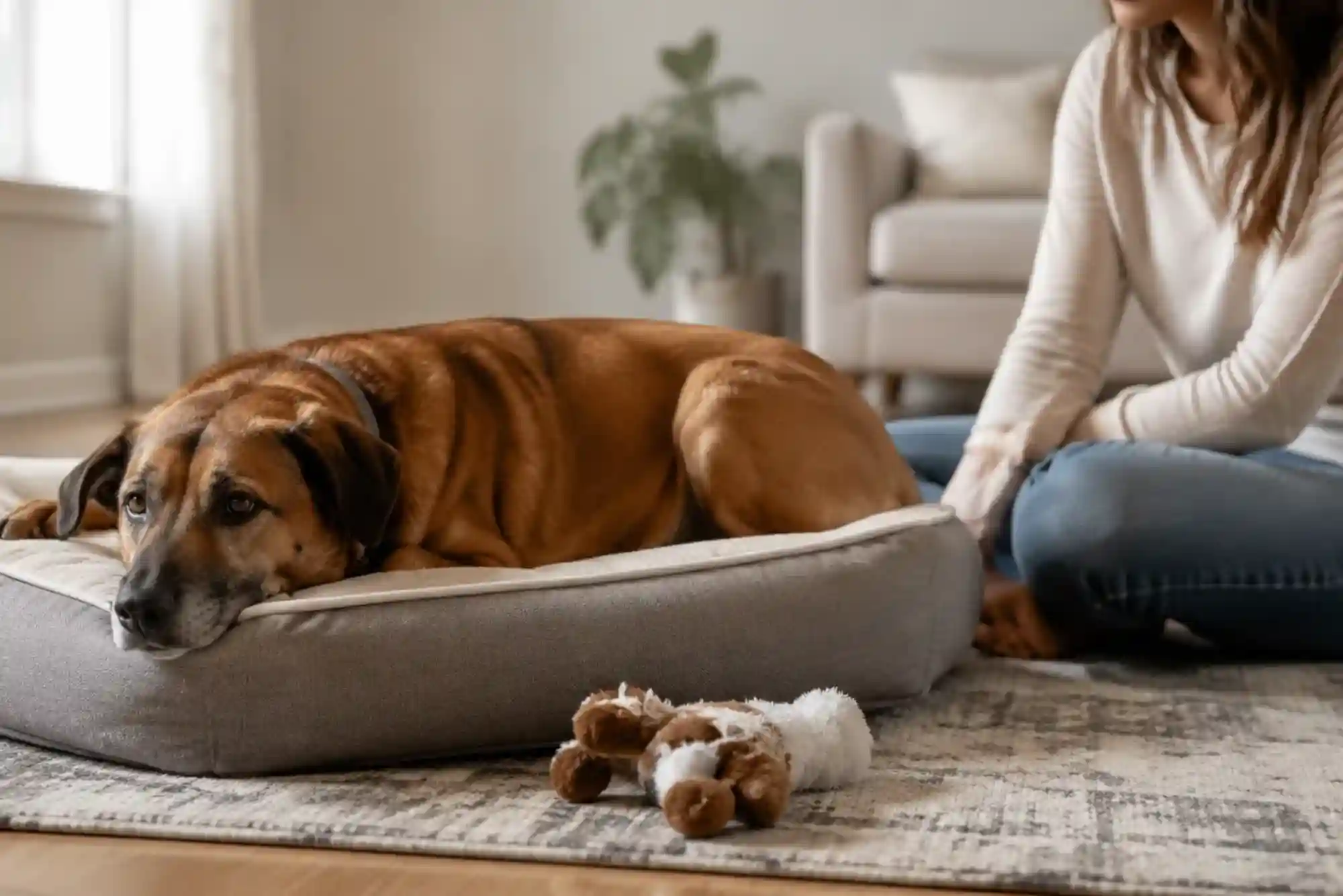
Resource guarding in dogs can make everyday activities stressful for owners. A dog may growl over a food bowl, hide a favorite toy, or snap when someone approaches. Although these behaviors can feel alarming, they often reflect a dog’s fear of losing something valuable.
Resource Guarding in Dogs: How to Stop Food and Toy Aggression with Trade Drills focuses on building trust through positive reinforcement. Instead of forcing a dog to surrender possessions, owners can teach safer alternatives through controlled exchanges. With patience, consistent practice, and appropriate management, many dogs can learn to feel more comfortable around people.
Understanding the reasons behind resource guarding is the first step toward lasting improvement.
What Is Resource Guarding in Dogs?
Resource guarding occurs when a dog uses body language or aggressive behavior to protect something valuable. Common resources include food, treats, toys, resting places, and stolen household objects.
Some dogs simply freeze when approached. Others may stiffen their bodies, eat faster, show their teeth, growl, or bite. These behaviors can appear suddenly or develop gradually.
Resource guarding is not necessarily a sign of dominance or a poorly behaved dog. Instead, it often reflects discomfort about losing access to something important.

Understanding this distinction helps owners choose appropriate training methods. Punishment may suppress warning signals without changing the dog’s underlying fear.
Why Do Dogs Guard Food and Toys?
Several factors can contribute to resource guarding. A dog with a history of competition over food may become protective around meals. Puppies raised alongside many animals might learn to defend valuable items.
However, guarding can also develop in dogs with stable backgrounds and caring homes.
Genetics, anxiety, previous experiences, and individual temperament can influence the behavior. Pain or medical conditions may also increase irritability, especially when someone approaches a resting dog.
Food guarding may occur because a dog expects its meal to disappear. Toy guarding can develop when a dog highly values a particular object. In both situations, the dog may believe aggressive behavior is necessary to retain possession.
Owners should avoid deliberately testing these reactions. Repeatedly taking food or toys away can make guarding worse rather than improve cooperation.
Recognizing Early Warning Signs of Resource Guarding
Dogs usually communicate discomfort before biting, although some warning signs are subtle. Learning to recognize them helps prevent dangerous situations.
A dog might suddenly stop chewing when someone approaches. It may lower its head over a bowl, stiffen its legs, or turn its body away. Other dogs freeze, stare intensely, or carry toys into secluded areas.
Growling, lip lifting, snapping, and biting indicate more serious discomfort. These signals should never be dismissed as harmless misbehavior.
When a dog displays these signs, give it space and avoid reaching toward the guarded item. Children should remain away from the dog until the situation is safely managed.
Recognizing early signals allows owners to adjust their approach before tension escalates.
How Trade Drills Help Stop Food and Toy Aggression
Trade drills teach dogs that releasing an object can lead to something equally valuable or even better. Instead of losing a possession, the dog learns that cooperation produces rewarding outcomes.
This method relies on positive reinforcement and gradual practice. The goal is to build trust, not to overpower the dog.
For example, a dog holding a toy might learn to release it when offered a delicious treat. Once the dog lets go, the owner rewards the behavior and may return the toy when appropriate.
Over time, these exchanges can reduce the dog’s concern about losing possessions.
However, trade drills are not suitable for every situation. Dogs with a bite history, intense guarding, or unpredictable reactions need professional guidance before exercises begin.
Teaching a Safe Trade Drill With Toys
Start with a quiet environment where your dog feels comfortable. Choose a toy that your dog enjoys but does not guard intensely.
Allow the dog to hold the toy without interference. Approach only as closely as the dog can tolerate while remaining relaxed.
Present a high-value treat near the dog’s nose without grabbing the toy. When the dog voluntarily releases the object, calmly praise it and provide the treat.
After the dog finishes eating, offer the toy again if it is safe to do so. Returning the toy teaches that releasing an item does not always mean losing it permanently.
Repeat the exercise during short sessions. Stop while your dog remains comfortable and interested.
Gradually introduce different toys only after your dog responds calmly. Avoid reaching toward the mouth or pulling an object away during training.
Consistency matters more than speed. A dog that willingly releases a toy is making meaningful progress.
Managing Food Guarding With Positive Reinforcement
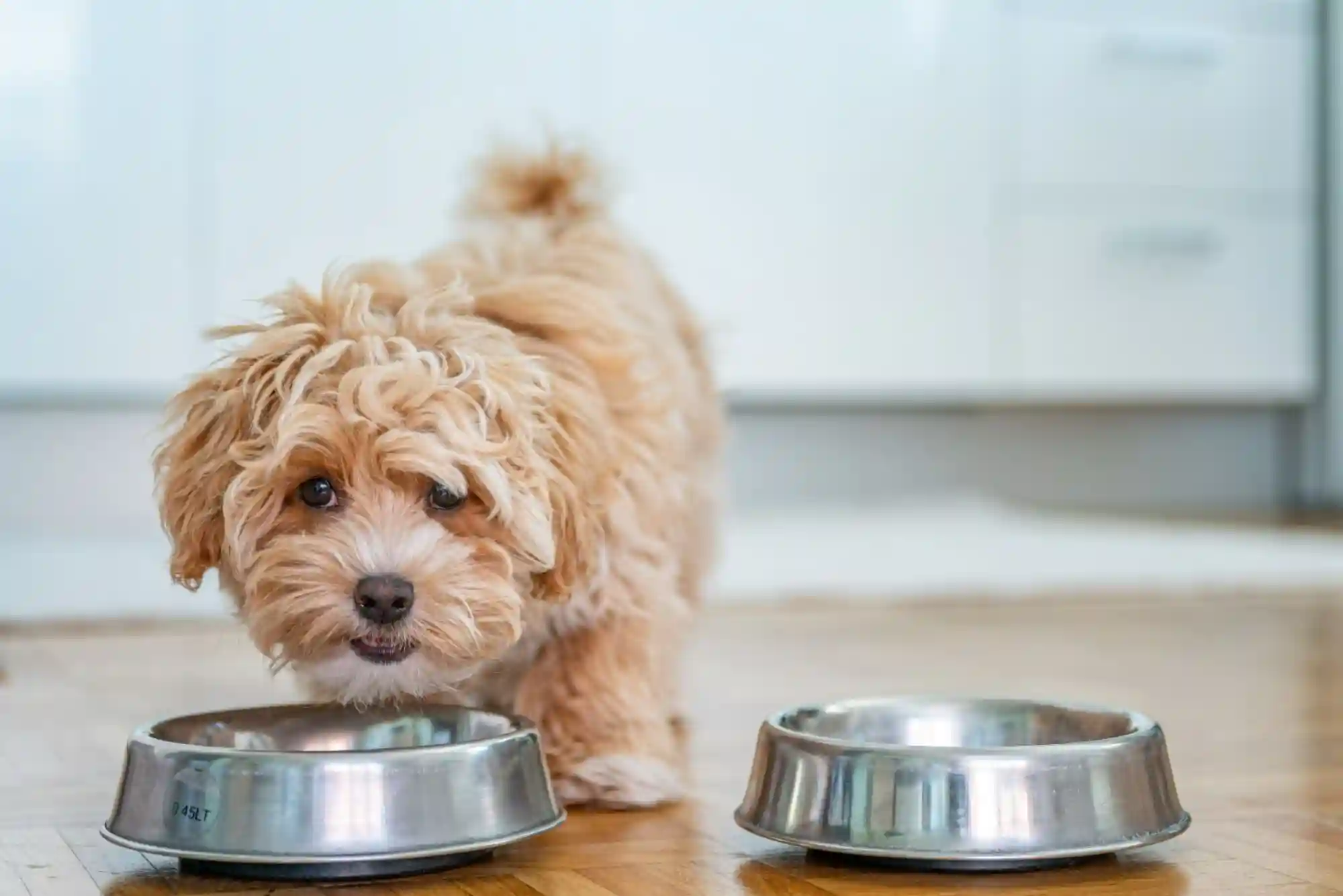
Food guarding requires particular care because meals can be highly valuable to dogs. Never begin training by taking away the food bowl or touching the dog while it eats.
Instead, manage the environment to prevent confrontations. Feed your dog in a quiet area where children, visitors, and other animals cannot approach.
If your dog remains relaxed around a person at a comfortable distance, a qualified professional may recommend gradual counterconditioning. This process helps change the dog’s emotional response to human presence.
The underlying principle is simple: people approaching predict pleasant experiences rather than food disappearing.
Do not move closer if your dog freezes, stiffens, growls, or eats more urgently. Increase the distance and seek professional advice when necessary.
Food-related trade exercises should begin with safe, low-risk situations rather than a guarded meal. A professional can determine whether direct training around food is appropriate.
Mistakes That Can Make Resource Guarding Worse
One common mistake is forcibly removing objects from a dog’s mouth. This can increase anxiety and teach the dog that people approaching its possessions are threatening.
Punishing growling is another serious error. Growling provides valuable information about discomfort. Suppressing this warning may leave owners with fewer opportunities to recognize an impending bite.
Owners should also avoid deliberately provoking guarding to see whether the behavior has improved. Such tests can create unnecessary risk and undermine training progress.
Inconsistent responses can cause confusion as well. Everyone in the household should follow the same management and training plan.
Finally, avoid expecting immediate results. Resource guarding involves emotional responses that may take considerable time to change.
When to Seek Professional Help
Professional support is especially important when a dog has bitten someone, snaps repeatedly, guards multiple resources, or reacts intensely to approaching people.
A veterinarian should assess sudden behavioral changes, particularly when pain or illness might be involved.
A qualified veterinary behaviorist or experienced, reward-based behavior professional can develop an individualized plan. They can also identify triggers, establish safe distances, and guide counterconditioning exercises.
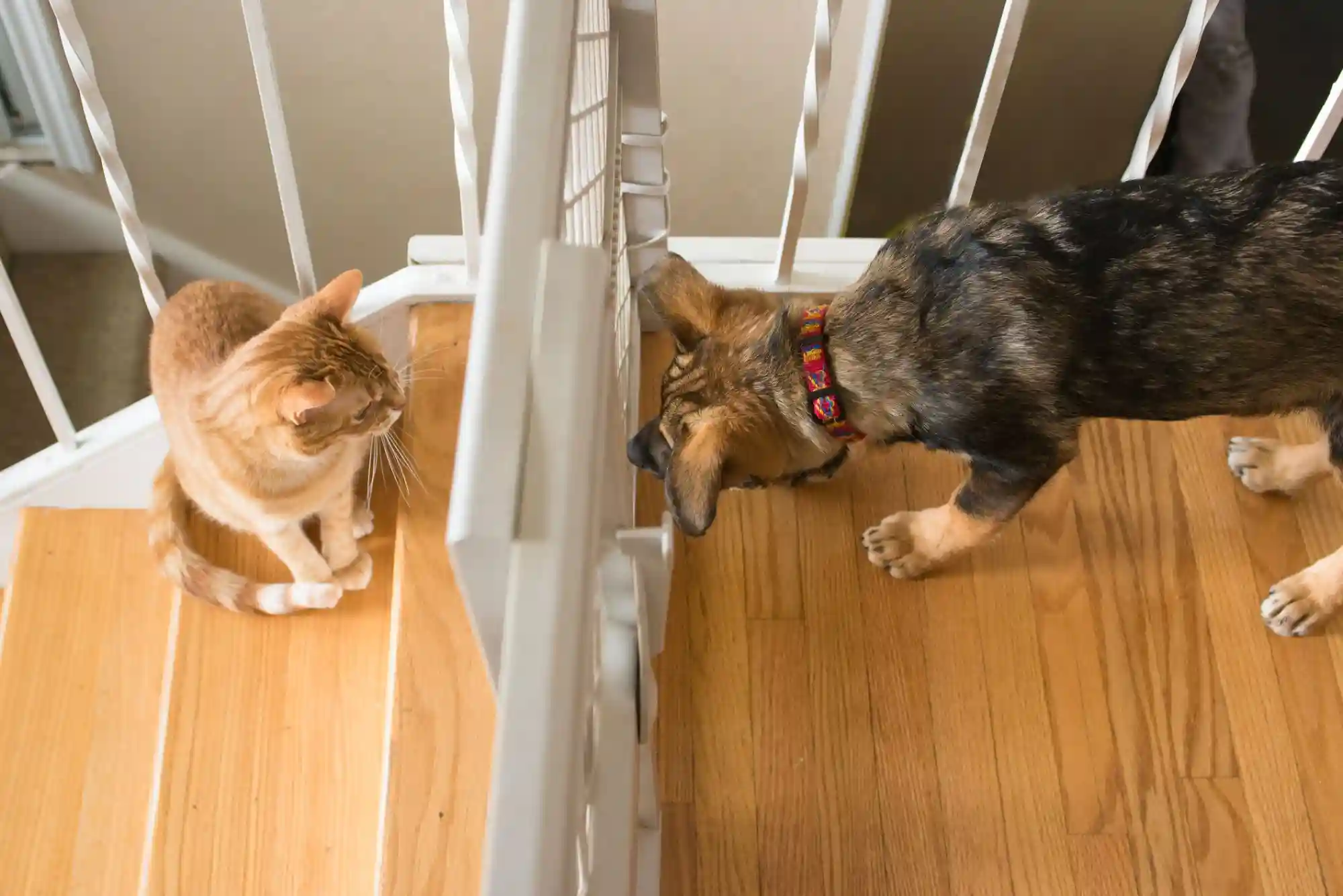
If children live in the household, physical separation and careful supervision are essential. Baby gates, closed doors, and separate feeding spaces can reduce opportunities for dangerous encounters.
Management is not a training failure. It is an important part of protecting everyone while behavior improves.
Frequently Asked Questions
Can resource guarding in dogs be cured?
Resource guarding can often be reduced through management, positive reinforcement, and carefully planned behavior modification. Some dogs may continue to need lifelong precautions around specific objects. Progress depends on the dog’s history, triggers, health, and training environment.
How do I stop my dog from growling over food?
Avoid punishing the growl or reaching for the food bowl. Give your dog a quiet feeding area and prevent interruptions. Consult a qualified professional to develop a gradual counterconditioning plan tailored to your dog’s behavior.
Should I take toys away from a resource-guarding dog?
Do not forcibly take toys from a guarding dog. Instead, manage access to potentially dangerous objects and teach voluntary exchanges when safe. If your dog threatens to bite, seek professional guidance before attempting trade drills.
Why does my dog growl when I approach its toys?
Your dog may worry that approaching people will remove something valuable. The behavior can reflect anxiety, previous experiences, or individual temperament. Avoid confrontation and use professional guidance to help your dog feel safer.
Are trade drills effective for food and toy aggression?
Trade drills can help dogs learn to release objects voluntarily and associate exchanges with positive outcomes. They work best when introduced gradually and safely. Severe guarding may require professional behavior modification before direct exercises are attempted.
Conclusion
Resource guarding in dogs can be challenging, but understanding its causes creates opportunities for improvement. Punishment and forced removal often increase tension, while careful management and positive reinforcement encourage safer behavior.