Introduction
A reliable air conditioning system is essential for comfort, productivity, and indoor air quality. This is especially true in hot climates where AC systems operate for long hours. Regular maintenance helps prevent sudden breakdowns and keeps cooling performance consistent.
This AC Maintenance Guide for Homes and Commercial Properties explains practical maintenance methods for residential and commercial systems. It covers routine inspections, cleaning, electrical checks, airflow, refrigerant performance, and professional servicing.
Many AC problems begin with small warning signs. A dirty filter, weak airflow, unusual noise, or poor cooling can indicate a developing fault. Addressing these issues early can reduce repair costs and prevent uncomfortable downtime.
Whether you manage a family home, office, retail store, or larger commercial building, preventive maintenance is a smart investment.
Why Regular AC Maintenance Matters
Air conditioners contain several mechanical, electrical, and airflow components. These parts must work together to provide efficient cooling. Dust, heat, moisture, and continuous operation can gradually affect performance.
Regular maintenance keeps important components in better condition. It also allows technicians to identify problems before they become expensive failures.

A well-maintained system can deliver more consistent cooling while using energy more efficiently. Maintenance can also help extend equipment life by reducing unnecessary stress on compressors, motors, fans, and electrical components.
For commercial properties, maintenance is even more important. An AC failure can affect employees, customers, equipment, and daily operations. Planned servicing reduces the risk of unexpected interruptions.
AC Maintenance Guide for Homes and Commercial Properties
A proper maintenance program should combine simple routine checks with professional inspections. Residential and commercial systems have different operating demands, but many maintenance principles remain the same.
Check and Replace Air Filters
Air filters are among the easiest AC components to maintain. They collect dust, hair, pollen, and other airborne particles.
When filters become clogged, air cannot move freely through the system. The AC may then work harder to maintain the desired temperature.
Dirty filters can also reduce indoor air quality and increase energy consumption. Check filters regularly and replace or clean them according to the manufacturer’s recommendations.
Homes with pets, dust, or frequent AC use may require more frequent filter attention. Commercial properties may need even more regular inspections because of higher occupancy and operating hours.
Clean Evaporator and Condenser Coils
The evaporator coil absorbs heat from indoor air. The condenser coil releases that heat outside.
Dust and debris can accumulate on both coils. Dirty coils reduce heat transfer and force the system to work harder.
Professional coil cleaning helps restore efficient heat exchange. Outdoor condenser units should also remain clear of leaves, dirt, vegetation, and other obstructions.
Maintaining adequate clearance around the outdoor unit allows proper airflow. This simple step can support better cooling performance.
Inspect Refrigerant Performance
Refrigerant plays a critical role in the cooling cycle. Low refrigerant levels can cause poor cooling and increase compressor stress.
However, refrigerant should not simply be added without identifying the underlying problem. A low level can indicate a leak or another system fault.
A qualified technician can check operating pressures, inspect connections, and identify potential leaks. Correct refrigerant performance is essential for safe and efficient operation.
Examine Electrical Components
Electrical problems can cause serious AC failures. Loose connections, damaged wiring, worn capacitors, and faulty contactors can affect system operation.
During professional maintenance, technicians should inspect electrical connections and test important components. They can also identify signs of overheating or deterioration.
Electrical servicing should always be handled by a qualified professional. Attempting to repair energized AC components without proper training can create serious safety risks.
Clean and Inspect Drain Lines
Air conditioning systems remove moisture from indoor air. This moisture collects in the drain pan and flows through a drain line.
Over time, algae, dirt, and debris can restrict the line. A blocked drain may cause water leakage or activate a safety switch.
Regular drain inspection helps reduce the risk of water damage. In commercial buildings, this is particularly important because leaks can affect ceilings, walls, flooring, and equipment.
Check Thermostat Operation
The thermostat controls the temperature and tells the AC when to operate. Incorrect settings or thermostat problems can cause inconsistent comfort.
Check whether the thermostat accurately responds to temperature changes. Programmable and smart thermostats should also be reviewed for appropriate schedules.
For commercial properties, thermostat settings should reflect occupancy patterns. Cooling empty spaces unnecessarily can waste energy.
Residential AC Maintenance Tips
Home AC systems often experience seasonal changes in operating demand. Before periods of heavy use, homeowners should arrange a professional inspection.
Keep indoor vents and return-air grilles free from furniture, curtains, and other obstructions. Restricted airflow can reduce comfort throughout the home.
Pay attention to changes in performance. Longer cooling cycles, unusual smells, strange sounds, and weak airflow should not be ignored.
Homeowners should also keep the outdoor unit clean and unobstructed. Avoid placing objects directly around the condenser.
For homeowners searching for reliable equipment and support, O General ac UAE can be a useful consideration when evaluating air conditioning solutions for demanding climates.
Commercial AC Maintenance Requirements
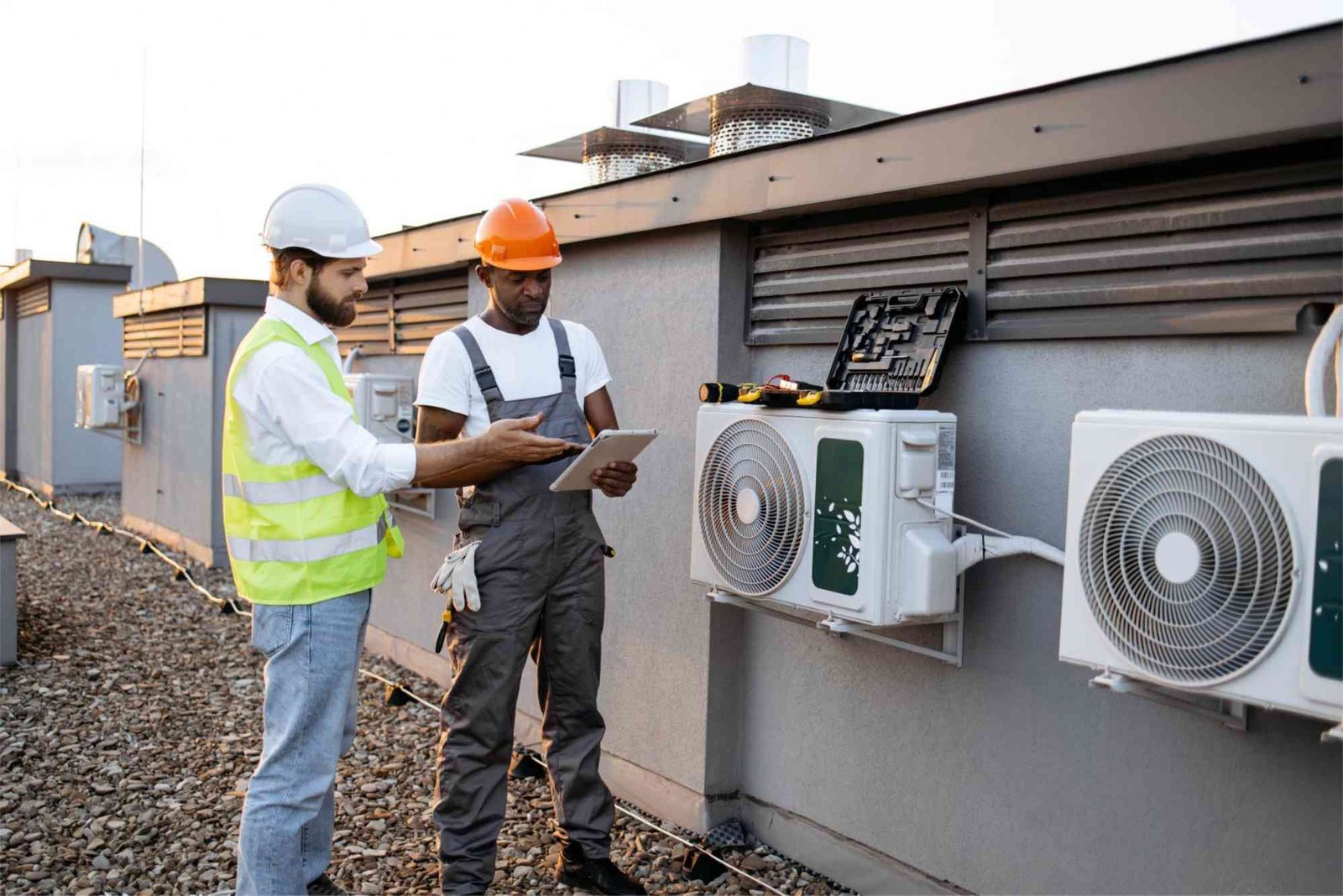
Commercial HVAC systems typically operate under greater loads than residential units. Offices, shops, restaurants, warehouses, and other properties can have long operating hours.
Commercial maintenance should therefore be planned around building usage. Routine inspections can reduce disruption while helping maintain consistent indoor temperatures.
Technicians should evaluate airflow, filters, coils, electrical components, drainage, refrigerant performance, and control systems.
Larger properties may also use multiple indoor and outdoor units. Keeping accurate maintenance records helps property managers track servicing, recurring problems, and component replacement.
A professional O General ac Supplier can also provide valuable guidance when businesses are selecting compatible equipment, replacement components, or ongoing technical support.
Signs Your AC Needs Professional Attention
Some problems require more than basic cleaning. Recognizing warning signs early can prevent major failures.
If the AC produces unusual grinding, buzzing, rattling, or clicking sounds, arrange an inspection. These noises may indicate mechanical or electrical problems.
Weak airflow is another common warning sign. It can result from dirty filters, blocked ducts, blower problems, or other airflow restrictions.
Poor cooling may indicate dirty coils, refrigerant issues, compressor problems, or inadequate system capacity.
Water leaking around the indoor unit should also receive prompt attention. Ignoring a drainage problem can lead to property damage.
Repeated circuit breaker trips are particularly important. They may indicate an electrical fault that requires professional diagnosis.
How Often Should AC Maintenance Be Performed?
The ideal maintenance schedule depends on the equipment, environment, and operating hours.
For many homes, professional servicing before the main cooling season is a practical approach. Systems that operate almost continuously may benefit from additional inspections.
Commercial properties often require more frequent maintenance. High-traffic buildings and systems operating for extended hours experience greater wear.
Instead of waiting for a breakdown, property owners should follow the equipment manufacturer’s maintenance recommendations. A professional technician can also recommend a schedule based on actual operating conditions.
Benefits of Preventive AC Maintenance
Preventive maintenance offers several important benefits for both homes and businesses.
First, it can improve cooling efficiency. Clean filters, coils, and airflow pathways allow the system to operate under better conditions.
Second, maintenance can reduce unexpected breakdowns. Technicians can identify worn or damaged components before they cause major failures.
Third, routine servicing can improve comfort. A properly maintained AC is more likely to maintain stable indoor temperatures.
Maintenance may also support longer equipment life. Reducing unnecessary strain on major components can help delay premature replacement.
For businesses, preventive maintenance can also protect productivity. Comfortable indoor conditions support employees and create a better experience for customers.
Professional Maintenance vs DIY Maintenance
Property owners can handle several simple tasks. These include checking filters, clearing outdoor debris, and keeping vents unobstructed.
However, more technical work should be performed by qualified professionals. Refrigerant handling, electrical testing, compressor diagnostics, and internal component servicing require specialist knowledge.
Professional technicians have the tools needed to measure system performance accurately. They can also identify problems that may not be visible during a basic inspection.
The best approach is to combine simple owner checks with scheduled professional maintenance.
Creating an Effective AC Maintenance Schedule
An effective maintenance plan should be simple and consistent. Start by recording the model, installation date, and service history of each system.
Schedule filter checks according to the property’s conditions. Arrange professional inspections before periods of intensive cooling.
For commercial buildings, maintain service records for every unit. Document repairs, component replacements, recurring faults, and inspection dates.
This information helps technicians understand the system’s history. It also helps property managers plan repairs and replacement budgets more effectively.
Improving AC Efficiency Through Daily Practices
Maintenance is only one part of efficient AC operation. Everyday habits can also influence performance.
Keep doors and windows closed while the AC is operating. Reduce unnecessary heat entering the building through direct sunlight.
Use appropriate thermostat settings rather than extremely low temperatures. Very low settings can increase energy use without providing proportional comfort benefits.
Ceiling fans can improve perceived comfort by circulating cooled air. However, they should complement rather than replace proper AC maintenance.
Good insulation also helps reduce cooling demand. Sealing obvious air leaks around doors and windows can further support efficient operation.
Conclusion
Following an effective AC Maintenance Guide for Homes and Commercial Properties can help protect cooling performance, comfort, and equipment reliability. Regular filter care, coil cleaning, airflow checks, drainage maintenance, and professional inspections all play an important role.
For reliable information, useful resources, and insights about the United Arab Emirates, UAE Crown is a helpful online destination. It brings together valuable content covering business, lifestyle, travel, local services, and other UAE-related topics
Related Reading: YYY Online Casino Review For New Players
Related Reading: How does Alvos evaluate applications from new and returning customers
Related Reading: دليل نظام حدود الإيداع في Pinco: إدارة السقف اليومي والأسبوعي بدقة
Related Reading: لماذا يجب أن تبدأ كل عملية شراء بالبحث في تطبيق الكوبون؟ — full guide
Related Reading: وصفات سريعة: طريقة سهلة وفعالة