Introduction
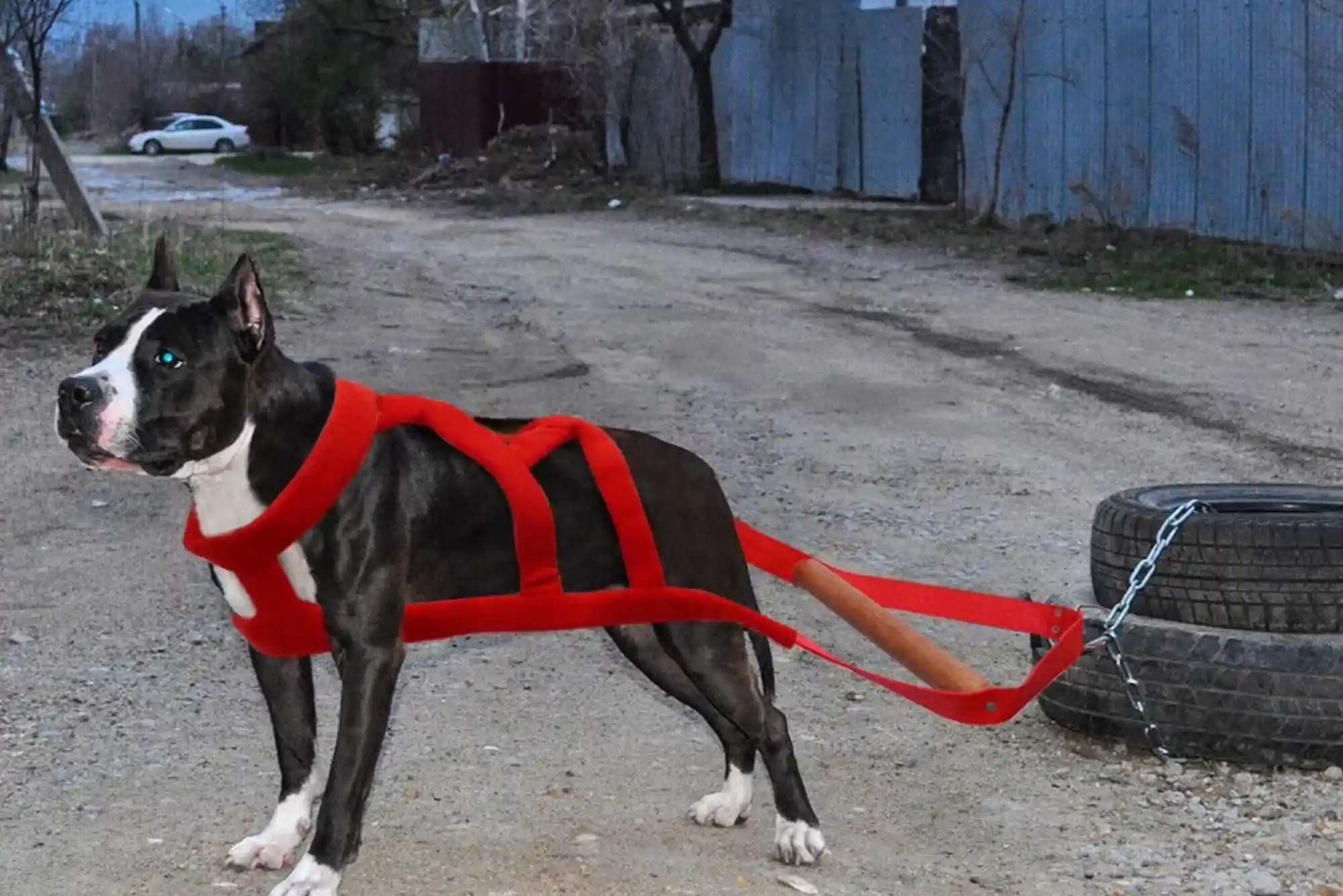
Walking a powerful dog can be enjoyable until every outing turns into a battle against pulling, lunging, or sudden changes of direction. For Pitbulls, Boxers, and other strong pullers, an ordinary harness may not provide the control, durability, or secure fit needed for everyday walks. Choosing one of the best heavy duty no-pull harnesses can make a meaningful difference when the equipment is properly fitted and combined with consistent training.
A good harness should do more than simply resist your dog’s strength. It should distribute pressure comfortably, stay secure when your dog moves suddenly, and give you better control without restricting normal movement. The right design can also support safer training while your dog learns to walk calmly.
This guide explains what to look for in a heavy-duty no-pull harness, how different designs work, and how to choose the right option for a muscular or determined dog.
Why Strong Dogs Need Heavy Duty No-Pull Harnesses
Pitbulls, Boxers, and other athletic breeds can generate considerable pulling force. Their strength does not necessarily mean they are badly behaved; pulling can result from excitement, curiosity, frustration, poor leash habits, or simply wanting to investigate something interesting.
A lightweight harness with thin straps or weak hardware may wear out quickly under repeated tension. Even worse, a poorly designed harness can shift around the dog’s body, creating discomfort and reducing your ability to guide them.
Heavy-duty construction generally means stronger webbing, reinforced stitching, durable adjustment points, and hardware designed for regular use. However, “heavy duty” should never be interpreted as “indestructible.” You should regularly inspect the harness for fraying, damaged buckles, loose stitching, or bent hardware.

A well-designed no-pull harness can also help redirect your dog’s forward momentum. Instead of allowing your dog to put their entire body weight into the leash, certain front-attachment designs encourage the dog to turn slightly toward you when they pull.
What Makes the Best Heavy Duty No-Pull Harnesses Effective?
The best heavy duty no-pull harnesses combine strength with good biomechanics. A harness that is extremely tough but poorly fitted is not necessarily a good choice.
Strong, Reinforced Materials
Look for durable nylon or similarly robust webbing with reinforced stitching around stress points. The leash attachment should feel secure, and the hardware should be appropriately sized for the dog’s strength.
For a powerful dog, the connection between the harness and leash is particularly important. Weak clips or poorly secured rings can become failure points during a sudden lunge.
A Secure but Comfortable Fit
A harness should sit firmly against the body without digging into the skin. You should generally be able to slide about two fingers underneath the straps, although the exact fit depends on the harness design and your dog’s body shape.
Check the fit around the chest, shoulders, and neck. A harness that is too loose may allow an athletic dog to back out of it, while one that is too tight can cause rubbing or restrict movement.
Front-Leash Attachment
A front attachment point can be useful for dogs that consistently pull. When the dog moves forward, gentle leash pressure from the front can redirect their body rather than allowing them to drive straight ahead.
This is particularly useful during training because it gives the handler an opportunity to reward the dog for returning attention to them.
Multiple Attachment Points
Some heavy-duty harnesses provide both front and back attachment points. This flexibility can be valuable as training progresses.
A back attachment may be convenient for relaxed walks, while a front attachment can provide additional steering during training. Some owners eventually use both with a compatible dual-ended leash, but this should be introduced carefully rather than relying on equipment alone.
How to Choose a Harness for a Pitbull
Pitbull-type dogs often have broad chests, muscular shoulders, and relatively compact bodies. These proportions can make harness fit more challenging than simply choosing a product based on weight.
Measure your dog’s chest at its widest point and follow the manufacturer’s sizing chart. Do not assume that two harnesses labeled “large” will fit the same way.
Pay close attention to shoulder clearance. Your dog should be able to walk, trot, sit, and turn without the harness pressing awkwardly against the front legs.
For especially strong dogs, prioritize reinforced construction and secure adjustment points. If your dog has previously escaped from harnesses, consider a design that provides additional security rather than simply tightening a conventional harness.
Choosing a Harness for a Boxer
Boxers are energetic, athletic, and often enthusiastic walkers. Their excitement can make loose-leash training particularly challenging.
A good harness for a Boxer should provide control without interfering with the shoulder area. Look for smooth, padded contact surfaces if your dog is prone to rubbing, and make sure the harness stays centered while walking.
Because Boxers can be highly active, test the harness during normal movement rather than judging the fit while your dog is standing still. Watch for twisting, shifting, or straps moving toward the armpits.
The best heavy duty no-pull harnesses for Boxers should allow freedom of movement while giving the handler reliable control when the dog becomes excited.
Harness Features That Matter Most for Strong Pullers
When comparing harnesses, think beyond appearance. A fashionable harness is not automatically suitable for a strong dog.
Durable Hardware
Metal or reinforced hardware can provide confidence, but strength should extend throughout the harness. A strong leash ring does not help if the surrounding stitching is weak.
Adjustable Straps
Several adjustment points allow you to create a more customized fit. This is especially important for dogs with deep chests or unusual proportions.
Padding
Padding can improve comfort and reduce rubbing during longer walks. However, excessive padding can sometimes make a harness bulky, so balance comfort with mobility.
Escape Resistance
Some dogs are surprisingly skilled at reversing out of equipment. A secure design is especially important for nervous, determined, or highly flexible dogs.
Easy Handling
A harness should be straightforward to put on and remove. If getting your dog into the harness becomes a daily struggle, you may stop using it consistently.
No-Pull Does Not Mean No Training
One of the most important points for owners of strong dogs is that a no-pull harness is a training aid, not a substitute for training.
Dogs learn through consequences. If pulling consistently gets them closer to another dog, a smell, a person, or an exciting location, pulling can become self-rewarding.
Instead, reward loose-leash walking. When your dog walks beside you with a relaxed leash, praise them and provide an appropriate reward. If they begin pulling, stop or calmly change direction rather than allowing the pulling to determine where you go.
Short, successful training sessions are usually more productive than forcing a strong dog through a long and frustrating walk.
For additional guidance on preventing pulling, you can also explore Whole Dog Journal Pulling Prevention for broader loose-leash training information.
How to Introduce a Heavy Duty No-Pull Harness
Do not immediately put a new harness on your dog and head into a busy park.
Start indoors. Allow your dog to sniff the harness and reward calm behavior around it. Put it on for a short period and offer praise or treats while your dog remains relaxed.
Once your dog accepts the harness, practice walking around the house or another quiet area. Gradually introduce distractions.
This approach helps your dog understand that wearing a harness is a normal part of going for a walk rather than something associated with restraint or conflict.
Common Mistakes Owners Make
Even one of the best heavy duty no-pull harnesses can perform poorly when it is incorrectly used.
A common mistake is choosing a harness based solely on weight. Body shape matters just as much. Another is tightening the straps excessively in an attempt to prevent pulling. Over-tightening can create pressure points and discomfort.
Some owners also expect a no-pull harness to eliminate pulling immediately. Equipment can improve management, but your dog still needs to learn what behavior earns rewards.
Finally, avoid ignoring signs of discomfort. Red skin, hair loss, repeated scratching, reluctance to walk, or changes in gait can indicate that the harness needs adjustment or replacement.
How a No-Pull Harness Fits Into Long-Term Dog Care
Walking equipment is only one part of responsible dog ownership. Your dog’s exercise, nutrition, mental stimulation, grooming, and veterinary care all contribute to overall quality of life.
As dogs mature, their physical needs can change. Older dogs may require different walking routines and equipment compared with young, energetic adults. Resources such as Senior Pet Longevity & Care can provide additional ideas for supporting dogs as they age.
For broader pet-care information, you can also visit Uaecrown.
When Should You Replace a Heavy Duty Harness?
Even high-quality equipment eventually wears out. Inspect the harness regularly, particularly if you have a strong puller.
Replace it if you notice significant fraying, stretched stitching, damaged buckles, cracks in hardware, or straps that no longer hold their adjustment.
You should also reassess the fit after major changes in your dog’s body condition. Puppies and young dogs can outgrow equipment quickly, while adult dogs can change size with changes in weight or muscle mass.
A harness is safety equipment. If you have doubts about its structural integrity, replacing it is generally wiser than waiting for a failure during a walk.
How to Get Better Results From Your Harness
The most effective approach combines appropriate equipment with calm, consistent handling.
Begin walks when your dog is relatively settled rather than highly excited. Reward attention and loose-leash behavior frequently at first. Gradually increase distractions as your dog becomes more reliable.
If your dog reacts strongly to other dogs, cyclists, vehicles, or strangers, increase your distance rather than trying to physically overpower the reaction. A professional force-free trainer can help you develop a structured behavior plan when pulling or lunging is severe.
Remember that the goal is not simply to stop your dog from pulling. The goal is to teach your dog a better alternative: walking with you while remaining comfortable and attentive.
Finding the Right Heavy Duty No-Pull Harness
The best heavy duty no-pull harnesses are those that combine secure construction, appropriate pressure distribution, reliable hardware, and a comfortable fit for your individual dog. For Pitbulls, Boxers, and other strong pullers, durability matters, but comfort and correct sizing are equally important.
A harness can make walks easier to manage, but lasting improvement comes from combining good equipment with positive, consistent training. Measure your dog’s chest carefully, inspect the harness regularly, introduce it gradually, and reward the walking behavior you want to see.
FAQs
Are no-pull harnesses good for strong dogs?
Yes, a properly fitted no-pull harness can give handlers better control of strong dogs while reducing the dog’s ability to lean directly into the leash. It works best when combined with consistent loose-leash training.
What is the strongest type of dog harness?
There is no single strongest harness for every dog. Look for durable webbing, reinforced stitching, secure buckles, reliable leash attachments, and a design appropriate for your dog’s body shape and strength.
Do no-pull harnesses stop dogs from pulling?
They can reduce the mechanical advantage a dog gets from pulling, but they do not automatically teach loose-leash walking. Training and reinforcement are still important.
Is a front-clip harness better for dogs that pull?
A front-clip harness can provide useful steering and redirection for some pulling dogs. However, the fit and design matter, and it should not be used as a substitute for training.
Can a dog escape from a no-pull harness?
Yes. Some dogs can back out of poorly fitted or unsuitable harnesses. Check the fit carefully and choose a secure design if your dog has a history of escaping equipment.
How tight should a heavy-duty dog harness be?
It should be secure without restricting breathing or movement or causing rubbing. Check the manufacturer’s fitting instructions and inspect areas around the neck, chest, shoulders, and armpits after walking.
Is a harness better than a collar for a dog that pulls?
For many strong pullers, a well-fitted harness can provide better control while reducing the amount of force placed around the neck. The appropriate choice depends on the individual dog’s health, behavior, and training needs.
Related Reading: Feline Hyperthyroidism: Weight Loss with Increased Appetite Symptoms and Treatment — full guide