Introduction
Grooming is a natural daily habit for cats, but swallowing loose fur often leads to uncomfortable hairballs. When loose hair accumulates inside the stomach, cats either vomit it back up or attempt to pass it through their digestive tract. Choosing the right hairball remedy helps protect your feline companion from digestive distress and potential intestinal blockages.
Pet owners frequently compare Vaseline, malt paste, and high-fiber wet diets to find the best preventative care. Each option works differently within the feline gastrointestinal system to move trapped fur safely. Understanding the unique safety profiles, benefits, and drawbacks of these remedies allows you to make an informed choice for your pet’s health.
Is Vaseline a Safe Remedy for Cat Hairballs
Vaseline, or pure petroleum jelly, is a traditional low-cost home remedy that many pet owners keep on hand. It works primarily as a mechanical lubricant, creating a slick coating over the lining of the stomach and intestines. This slippery surface allows trapped fur to glide through the digestive tract much more smoothly.
However, holistic and traditional veterinarians generally advise caution when relying on petroleum jelly. Vaseline lacks nutritional value and can form a dense barrier over the intestinal walls. Frequent use may interfere with normal nutrient uptake and block the proper absorption of essential fat-soluble vitamins like vitamins A, D, E, and K.
Why Malt Paste Is a Popular Hairball Solution
Malt paste is a specialized veterinary supplement specifically formulated for feline digestive health and hairball management. It combines natural malt extracts with vegetable oils and added dietary fibers to create an effective digestive aid. The paste coats swallowed fur while gently stimulating normal gut movement to keep things moving.
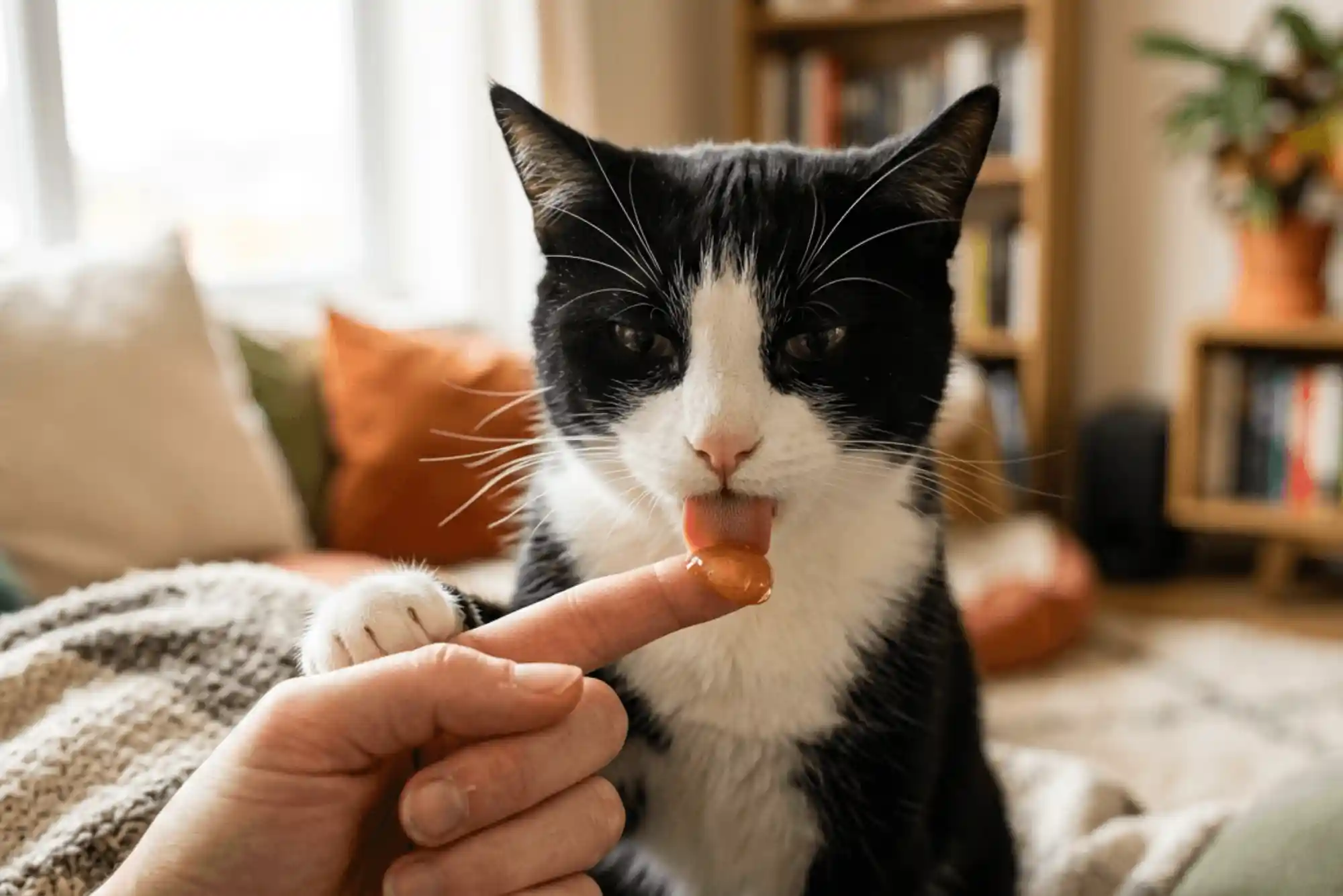
Most cats find the rich, savory taste of malt paste irresistible, which makes administration simple and stress-free. You can offer it directly from the tube, mix it into regular meals, or place a small dab on their paw. This high palatability makes it an ideal option for pet owners seeking an effortless short-term solution.

How High-Fiber Wet Diets Prevent Hairballs Naturally
High-fiber wet diets offer a daily, holistic approach to hairball prevention that works from the inside out. These commercial formulas incorporate insoluble and soluble fibers, such as beet pulp, psyllium husk, or powdered cellulose. Dietary fiber boosts overall gut motility, actively carrying swallowed fur through the intestines during regular digestion.
Hydration plays an equally critical role in keeping your cat’s digestive tract moving smoothly. Canned wet food provides substantial moisture that softens digestive contents and prevents dry fur mats from compacting. This extra moisture stops hair from forming dense blockages, supporting long-term gastrointestinal wellness without extra laxatives.
Comparing Hairball Remedies: Vaseline vs Malt Paste vs High-Fiber Wet Diets
When selecting a treatment, comparing the physical properties and long-term safety of each choice is essential. Vaseline provides quick emergency lubrication, but its lack of nutrients and potential to disrupt vitamin absorption make it less suitable for routine care. Malt paste delivers high palatability and quick action, making it perfect for targeted use during heavy seasonal shedding.
High-fiber wet food stands out as the most comprehensive, long-term preventative measure available. While switching foods requires a gradual transition period, wet diets provide complete nutrition and high moisture alongside natural hairball control. Evaluating these traits helps pet owners balance quick relief with sustainable daily health benefits.
Veterinary Guidance and When to Seek Help
While occasional hairballs are normal for longhaired and short-haired cats alike, frequent retching signals a potential underlying health issue. If your cat vomits hairballs more than once every two weeks, it is wise to consult your veterinarian. Chronic hairball production can point to overgrooming caused by stress, skin allergies, or gastrointestinal inflammation.
It is equally vital to recognize the serious warning signs of an intestinal blockage before using any home remedy. Seek immediate emergency veterinary care if your cat exhibits dry heaving, severe lethargy, loss of appetite, or painful constipation. Never attempt to treat suspected intestinal obstructions with laxatives, petroleum jelly, or diet changes at home.
Frequently Asked Questions
Can cats poop out hairballs?
Yes, cats frequently pass swallowed hair through their gastrointestinal tract directly into their litter box stool. Healthy intestinal motility pushes loose fur out naturally before it can clump into a large, obstructive stomach hairball.
How often should I give my cat malt paste?
For standard maintenance and prevention, offering malt paste two to three times a week is usually sufficient. This regular schedule helps clear out everyday loose hair without upsetting your cat’s normal bowel movements.
Is petroleum jelly safe for cats every day?
No, daily administration of petroleum jelly is not recommended by veterinary professionals. Regular use can create a continuous barrier in the gut that disrupts the absorption of critical fat-soluble nutrients.
Does switching to wet food stop hairballs?
Switching to wet food significantly reduces hairball formation by increasing daily water intake and enhancing overall bowel movement. The added moisture prevents swallowed hair from drying out and sticking together inside the stomach.
Conclusion
Managing feline hairballs effectively requires balancing long-term safety, convenience, and nutritional value for your pet. While Vaseline offers an accessible, low-cost lubricant for temporary situations, its nutrient-blocking risks make it the least desirable long-term approach. Malt paste offers a delicious and effective targeted tool for managing heavy seasonal shedding spikes.
Ultimately, a high-fiber wet diet provides the most complete, natural daily defense for your cat’s long-term digestive well-being. Take charge of your pet’s digestive health today by establishing a regular brushing routine and speaking with your veterinarian about the best diet plan.