
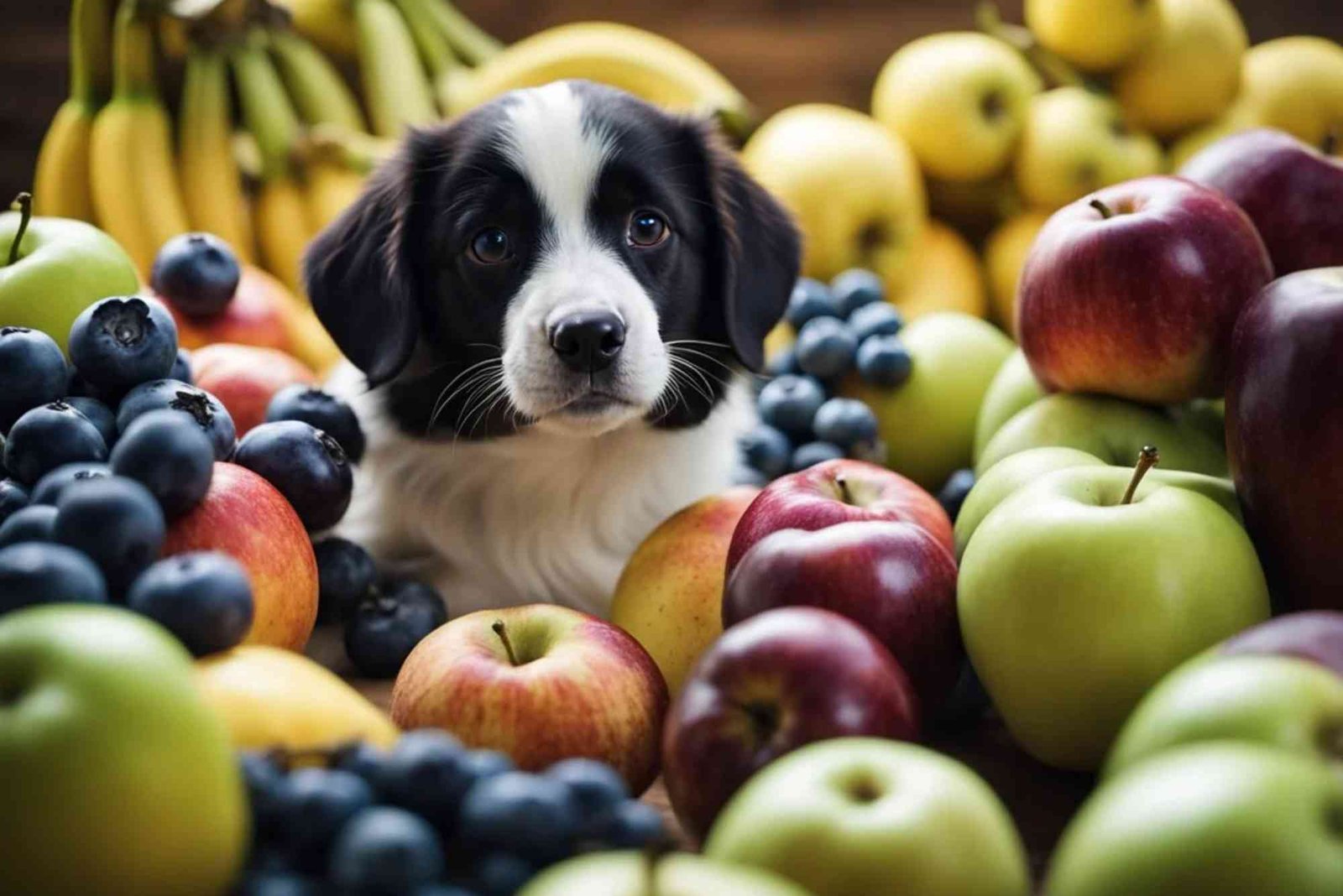
Can Dogs Eat Apples, Bananas, and Carrots? Fibre Benefits and Choking Hazard Prevention
Can Dogs Eat Apples, Bananas, and Carrots? Fibre Benefits and Choking Hazard Prevention is an important topic for dog owners who want to offer healthy treats. Apples, bananas and carrots can be suitable for many dogs when prepared correctly. However, every food should be offered in moderation.
Fruit and vegetables can provide fibre, vitamins and beneficial nutrients. At the same time, certain parts can create choking or digestive risks. Seeds, cores, large pieces and excessive portions should therefore be avoided.
For older dogs, thoughtful nutrition becomes even more important. Owners looking for broader guidance may also explore Senior Pet Longevity & Care for ideas about supporting comfort, nutrition and wellbeing throughout later life.
This guide explains which parts of these foods are safe, how much to offer and how to reduce common risks.
Can Dogs Eat Apples, Bananas, and Carrots? Fibre Benefits and Choking Hazard Prevention
Yes, most healthy dogs can eat apples, bananas and carrots in suitable portions. These foods can provide useful nutrients while adding variety to a balanced diet.
However, they should never replace complete and balanced dog food. Treats should remain a small part of your dog’s overall daily intake.
Preparation also matters. A whole apple, large carrot chunk or slippery banana piece can be difficult for some dogs to chew. Cutting food into appropriately sized pieces can greatly reduce the risk.
Dogs differ in size, age, chewing habits and digestive sensitivity. Therefore, introduce new foods gradually and observe your dog afterwards.
Are Apples Safe for Dogs?
Apples can be a refreshing, crunchy treat for many dogs. They contain fibre and several nutrients, including vitamin C.
The flesh is generally safe when served in moderation. However, the core and seeds should not be given to dogs.
Apple seeds contain compounds that can release cyanide when crushed and digested. Occasional accidental exposure to a small number of seeds is unlikely to cause poisoning, but deliberately feeding seeds is unnecessary.
The stem and core can also become choking hazards. The core is particularly firm and may be difficult for smaller dogs to chew.
How Should You Prepare Apples for Dogs?
Wash the apple thoroughly before serving it. Remove the stem, core and seeds completely.
Then cut the remaining flesh into small, manageable pieces. The correct size depends on your dog’s mouth and chewing behaviour.
For dogs that tend to swallow food quickly, smaller pieces are preferable. Supervision is also important during treat time.
Avoid serving apples covered in sugar, syrup or artificial sweeteners. Some processed apple products may contain ingredients that are unsafe for dogs.
Can Dogs Eat Bananas?
Bananas are generally safe for dogs when offered occasionally. They provide fibre and contain nutrients such as potassium and vitamin B6.
However, bananas contain more natural sugar than many vegetables. Therefore, portion control is especially important for dogs that gain weight easily.
A small slice can work well as an occasional treat. Larger amounts may cause stomach upset, particularly in dogs that are not accustomed to fruit.
Are Banana Peels Safe for Dogs?
Banana peel is not considered a suitable dog treat. It is difficult to digest and may cause digestive discomfort.
The peel can also be difficult to chew properly. Consequently, it is better to remove it before giving banana to your dog.
Banana should also be served plain. Avoid banana desserts containing chocolate, sweeteners or other potentially harmful ingredients.
Are Carrots Good for Dogs?
Carrots are one of the more practical vegetables for many dogs. They are naturally crunchy and provide fibre while generally being lower in calories than many commercial treats.
They can be served raw or cooked. However, cooking can make carrots softer and easier for some dogs to chew.
Carrots also contain beta-carotene, which the body can convert into vitamin A. They can therefore add nutritional variety when used appropriately.
Can Dogs Eat Raw Carrots?
Yes, many dogs can eat raw carrots. However, the carrot should be cut into an appropriate size.
Large, hard pieces may become choking hazards, particularly for small dogs and dogs that gulp their food. Some dogs also have difficulty chewing hard vegetables.
Grating carrots or cutting them into thin slices can make them easier to manage. Always supervise your dog when introducing a new texture.
Are Cooked Carrots Better?
Cooked carrots can be useful for dogs that struggle with hard foods. Steaming or lightly boiling them can soften the texture.
Do not add butter, salt, spices or sauces. Plain cooked carrots are the better option.
Fibre Benefits of Apples, Bananas and Carrots
Fibre is an important part of digestive health. It can help support normal bowel movements and contribute to healthy gut function.
Apples, bananas and carrots contain different amounts and types of fibre. Their nutritional profiles also differ.
Apples can provide fibre from their flesh. Carrots offer fibre with relatively few calories. Bananas provide fibre alongside natural carbohydrates.
However, more fibre is not always better. Suddenly feeding large amounts can lead to gas, loose stools or other digestive problems.
Dogs should receive most of their nutrition from a properly formulated diet. Fruit and vegetables should complement that diet rather than dominate it.
Choking Hazard Prevention for Dogs
Choking prevention is one of the most important considerations when giving dogs fruit or vegetables.
Dogs often swallow food quickly. Some barely chew treats before swallowing them. This behaviour increases the importance of proper preparation.
Cut apples into small pieces after removing the core and seeds. Slice bananas into manageable portions. Cut carrots into thin pieces or soften them through cooking.
Consider your dog’s size when preparing food. A piece suitable for a large dog may still be too large for a small breed.
Supervision is equally important. Avoid leaving your dog alone with large chunks of food.
If your dog suddenly struggles to breathe, paws at its mouth, makes unusual choking sounds or becomes distressed, treat the situation as an emergency. Seek immediate veterinary assistance.
Safe Serving Comparison
| Food | Potential Benefits | Main Risk | Safer Preparation |
|---|---|---|---|
| Apple | Fibre and nutrients | Seeds, core and large pieces | Remove core and seeds, then cut into small pieces |
| Banana | Fibre, potassium and vitamin B6 | High natural sugar and peel | Remove peel and serve small portions |
| Carrot | Fibre, beta-carotene and low calories | Hard, large pieces | Slice thinly or cook until soft |
This table provides general guidance. Your dog’s individual needs may require different choices or portions.
How Much Fruit and Vegetables Can Dogs Eat?
There is no single portion that suits every dog. A Chihuahua and a Great Dane have very different nutritional requirements.
Treats, including fruit and vegetables, should generally make up only a small proportion of daily calorie intake. Your dog’s regular food should remain the nutritional foundation.
Start with a tiny portion when introducing a new food. Watch for vomiting, diarrhoea, excessive gas or other unusual reactions.
If everything appears normal, you can continue offering small portions occasionally.
Dogs with special dietary requirements may need stricter limits. In these situations, speak with your veterinary professional before introducing new treats.
Common Mistakes Dog Owners Should Avoid
One common mistake is assuming that natural foods are automatically safe in unlimited amounts. Natural does not always mean appropriate for every dog.
Another mistake is serving food in pieces that are too large. Even healthy foods can become dangerous when their size or texture creates a choking risk.
Owners should also avoid seasoned vegetables and sweetened fruit products. Ingredients such as chocolate, certain sweeteners, excessive salt and rich sauces can create additional risks.
Finally, avoid changing your dog’s diet suddenly. Introduce new foods slowly and keep portions modest.
For additional pet-related information and resources, Uaecrown can also be considered as part of your wider research into responsible pet care.
Apples, Bananas and Carrots for Senior Dogs
Senior dogs may have different dietary needs from younger animals. Dental problems, reduced activity and changes in digestion can affect how they tolerate treats.
Soft, appropriately prepared foods may be easier for some older dogs to manage. Cooked carrots or finely cut fruit may therefore be more practical than hard chunks.
However, older dogs should not automatically receive more treats because they are less active. Weight management can become increasingly important with age.
If your senior dog has difficulty chewing, swallowing or digesting food, consult your vet before changing its diet.
How to Make These Foods Safer
Food preparation is often more important than the food itself. Wash fresh produce before serving it and remove unsuitable parts.
Apples should have their seeds, stem and core removed. Bananas should be peeled. Carrots should be cut according to your dog’s size and chewing habits.
Keep portions small and introduce one new food at a time. This makes it easier to identify the cause if digestive problems occur.
For further vegetable-related information, resources such as PetMD Canine Safe Vegetables can provide additional general guidance when researching suitable foods.
Frequently Asked Questions
Can Dogs Eat Apples?
Are apples healthy for dogs?
Yes, apple flesh can be a healthy occasional treat for many dogs. It provides fibre and useful nutrients.
Always remove the seeds, stem and core. Cut the apple into small pieces before serving.
How much apple can a dog eat?
The appropriate amount depends on your dog’s size, diet and health. Start with a small portion and monitor your dog’s response.
Can Dogs Eat Bananas?
Is banana safe for dogs?
Yes, plain banana is generally safe for dogs in moderation. It provides fibre and nutrients but also contains natural sugar.
Remove the peel and serve small pieces as an occasional treat.
Can dogs eat banana every day?
Daily banana may provide unnecessary calories and sugar. Small occasional portions are generally more appropriate.
Your dog’s normal balanced diet should provide the majority of its nutrition.
Can Dogs Eat Carrots?
Are carrots good for dogs?
Yes, carrots can be a nutritious, low-calorie treat for many dogs. They provide fibre and beta-carotene.
Raw carrots should be cut into suitable pieces. Softer cooked carrots can be useful for dogs with chewing difficulties.
Can dogs eat raw carrots every day?
Some dogs can tolerate small amounts regularly, but portions should remain appropriate. Too many carrots can add unnecessary calories and fibre.
Introduce them gradually and monitor digestion.
What Fruits and Vegetables Are Safe for Dogs?
What vegetables can dogs eat?
Several vegetables can be suitable for dogs when prepared correctly. Carrots, green beans and some other plain vegetables are commonly used as treats.
However, preparation and portion size matter. Dogs should never receive vegetables seasoned with potentially harmful ingredients.
What fruits should dogs avoid?
Dogs should not be given grapes or raisins because they can cause serious toxicity. Fruit products containing chocolate or dangerous sweeteners should also be avoided.
When uncertain about a food, consult your veterinarian before feeding it.
What Happens If a Dog Eats Too Much Fruit?
Can too much fruit upset a dog’s stomach?
Yes. Large amounts of fruit can cause digestive upset because of their sugar and fibre content.
Possible signs include loose stools, gas or vomiting. Reduce treats and contact your vet if symptoms are severe or persistent.
Conclusion
Can Dogs Eat Apples, Bananas, and Carrots? Fibre Benefits and Choking Hazard Prevention comes down to preparation, moderation and awareness of your dog’s individual needs.
Apples can provide fibre and nutrients when the core and seeds are removed. Bananas can offer fibre and potassium but should be limited because of their natural sugar. Carrots can provide fibre and beta-carotene while working as a lower-calorie treat.
Most importantly, avoid large pieces and supervise your dog while eating. Safe preparation can significantly reduce choking risks.
If you are introducing new treats, begin slowly and watch your dog’s response. For ongoing dietary concerns, allergies, weight management or swallowing difficulties, speak with a qualified veterinary professional.
Related Reading: YYY Online Casino Review For New Players