Introduction
Flying with dogs requires careful planning, especially when pets cannot travel inside the passenger cabin. Understanding flying with dogs as checked baggage or cargo helps owners prepare for airline requirements, temperature restrictions, and approved travel crates. Although both options transport dogs in aircraft, their booking procedures and handling arrangements can differ.
Temperature embargoes are particularly important during extreme weather. Airlines may restrict pet transportation when temperatures become unsafe at departure, arrival, or connecting airports. Meanwhile, an unsuitable crate can cause delays or prevent a dog from boarding.
Therefore, understanding these requirements before booking helps reduce travel complications. This guide explains how pet transportation works, what temperature restrictions mean, and how to prepare your dog for a safer journey.
Understanding Flying with Dogs as Checked Baggage or Cargo
When flying with dogs as checked baggage or cargo, the transportation method depends on airline policies, your destination, and your dog’s characteristics. Not every airline offers both options, and some routes have additional restrictions.
What Does Checked Baggage Mean for Dogs?
Checked baggage transportation allows eligible dogs to travel in an approved animal container in the aircraft’s designated hold. The dog travels separately from the passenger cabin, but the booking is generally associated with the owner’s passenger reservation.
Airlines usually impose requirements concerning the dog’s size, weight, breed, health, and crate dimensions. Certain carriers accept pets only on specific aircraft or routes.

Consequently, passengers should confirm eligibility before purchasing tickets. A dog accepted on one flight may not qualify for another connection.
How Does Air Cargo Transportation Work?
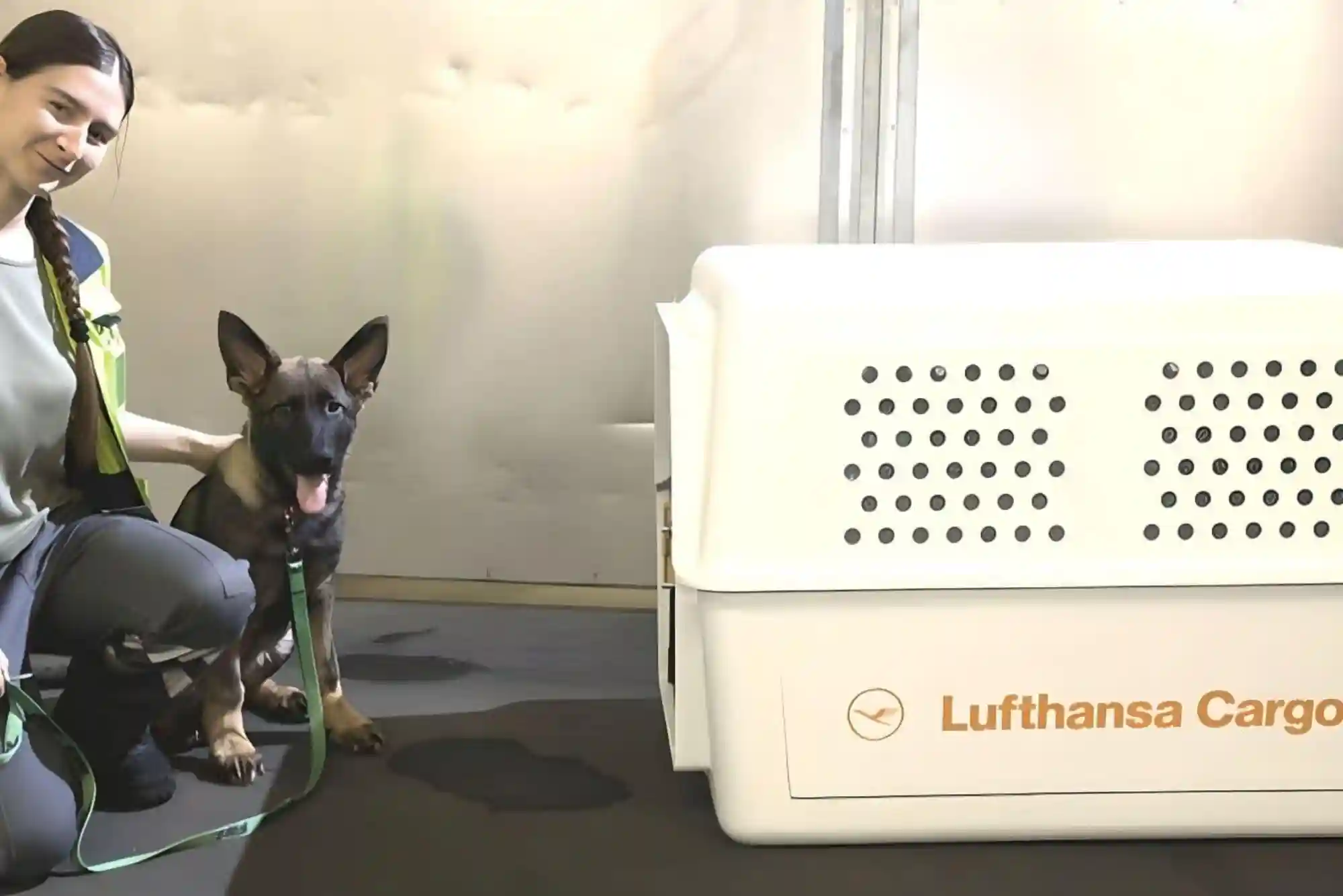
Air cargo transportation involves booking a dog through an airline’s cargo division or an authorized pet shipping company. This arrangement may be necessary when the animal exceeds passenger baggage limits or travels without its owner.
Cargo procedures can involve separate documentation, collection deadlines, handling facilities, and customs clearance. Depending on the airline, the dog might travel on a passenger aircraft or a dedicated cargo aircraft.
Importantly, cargo transportation does not automatically mean less comfortable conditions. Safety depends on appropriate handling, suitable environmental controls, journey duration, and compliance with the carrier’s requirements.
Temperature Embargoes When Flying with Dogs
Temperature embargoes are temporary restrictions that airlines introduce when weather conditions create potential risks for animals. These restrictions may apply during hot summers, freezing winters, or periods of extreme temperature fluctuations.
Why Do Airlines Enforce Temperature Restrictions?
Dogs can experience heat stress, dehydration, and cold-related injuries during transportation. Their risk depends on breed, age, health, body condition, and exposure duration.
Brachycephalic breeds, including Pugs and Bulldogs, can face particular respiratory challenges. Puppies, senior dogs, and animals with existing medical problems may also require additional precautions.
Although aircraft holds may have environmental controls, pets can encounter different conditions during loading, unloading, transfers, and airport ground handling. Consequently, airlines may prohibit transportation when specified temperature thresholds are exceeded.
How Do Temperature Embargoes Affect Pet Flights?
An airline may refuse a pet when forecast or actual temperatures exceed its permitted limits. Restrictions can apply at the departure airport, destination, or connecting location.
Some airlines use seasonal embargoes, while others assess individual routes and weather forecasts. Their policies may also distinguish between aircraft holds, ground facilities, and transportation vehicles.
Therefore, passengers should never assume that an airline’s general pet policy guarantees acceptance on a particular day. Confirm the current restrictions directly with the operating carrier before departure.
If temperatures change unexpectedly, an airline may postpone transportation or require alternative arrangements. Flexible travel dates and contingency plans can help owners manage these situations.
Airline Crate Specifications for Dog Air Travel
An airline-approved travel crate protects your dog and supports safe handling throughout the journey. However, approval depends on the carrier’s precise specifications and applicable live-animal transport standards.
Choosing the Correct Crate Size
The crate must allow your dog to stand naturally, turn around, sit, and lie down comfortably. Your dog should not need to crouch continuously or remain in an awkward position.
Measure your dog carefully before purchasing a kennel. Airline requirements may use different measurement methods, so confirm the dimensions specified by your carrier.
A crate that is too small can create welfare concerns. An excessively large crate may also be unsuitable if the dog cannot maintain stability during movement.
Ventilation and Construction Requirements
Most airlines require a rigid, secure kennel with adequate ventilation and a reliable locking mechanism. The container must withstand normal handling without opening or collapsing.
Ventilation openings should provide sufficient airflow without creating opportunities for escape or injury. The door must close securely, and the crate should have an appropriate leak-resistant floor.
Some airlines require particular fasteners, approved materials, or additional security measures. Others specify how ventilation openings must be positioned.
Check the carrier’s current live-animal rules before making modifications. Do not assume that a crate advertised as airline-approved will meet every airline’s requirements.
Food, Water, and Identification
Your dog must have access to suitable water arrangements during transportation. Many carriers require securely attached food and water containers that handlers can access when necessary.
Attach identification showing the dog’s name and the owner’s contact details. Include the destination contact information where required.
Airlines may also require specific labels, feeding instructions, or documents attached to the kennel. Follow the carrier’s instructions carefully rather than relying on generic crate-preparation advice.
Documents Required for Flying with Dogs
Pet travel documentation varies according to the departure country, destination, transit points, and transportation method. Missing paperwork can cause denied boarding, quarantine, or delays after arrival.
Owners may need a veterinary health certificate, vaccination records, microchip details, import permits, and evidence of required treatments. Rabies vaccination and documentation are particularly important for many international routes.
Some destinations also require advance import approval or parasite treatments within specified periods. Cargo shipments may involve additional declarations and customs procedures.
Contact the destination country’s official veterinary authority well before departure. Your airline or pet relocation company can clarify its shipping documents, but government entry requirements must also be satisfied.
Preparing Your Dog for Air Cargo Travel
Preparation can make the transportation experience more manageable for your dog. Begin crate familiarization several weeks before the planned flight whenever possible.
Encourage your dog to enter the crate voluntarily. Use meals, familiar bedding where permitted, and short practice sessions to build positive associations.
Gradually increase the time your dog spends inside. This helps the animal become more comfortable with the enclosed environment before travel.
Arrange a veterinary assessment if your dog has medical concerns or belongs to a higher-risk breed. Ask your veterinarian whether flying is appropriate for your individual pet.
Avoid sedating your dog unless a veterinarian specifically advises otherwise and the airline permits the medication. Sedatives can affect balance, breathing, and the animal’s ability to respond to stress.
On travel day, follow the airline’s feeding and hydration instructions. Allow time for exercise and toileting before the required check-in deadline.
Common Mistakes to Avoid During Pet Air Travel
One frequent mistake is booking a flight before confirming pet availability. Airlines may limit the number of animals accepted on individual flights, even when passengers have confirmed seats.
Another problem involves purchasing a crate without checking its exact specifications. Dimensions, door construction, fasteners, and ventilation can affect acceptance.
Owners sometimes overlook temperature restrictions on connecting flights. However, an animal may face restrictions at a transfer airport even when departure conditions are suitable.
Incorrect documentation can create further complications. Verify that certificates remain valid for the entire journey and meet the destination’s specific requirements.
Finally, avoid choosing complicated itineraries without considering your dog’s welfare. Longer journeys can increase handling requirements, waiting periods, and opportunities for disruption.
Frequently Asked Questions
Can dogs fly as checked baggage or cargo?
Yes, some airlines transport eligible dogs as checked baggage or air cargo. Availability depends on the carrier, route, dog, aircraft, and applicable regulations. Certain airlines offer cargo transportation only, while others restrict pet acceptance to specific services.
What is a temperature embargo for pets?
A temperature embargo is a restriction on transporting animals during potentially unsafe weather conditions. Airlines may impose limits based on temperatures at departure, arrival, or connecting airports. The exact rules vary between carriers and routes.
What type of crate is required for flying with a dog?
Most airlines require a secure, rigid kennel with suitable ventilation, reliable closures, and sufficient interior space. Your dog must be able to stand, turn around, and lie down naturally. Always verify the operating airline’s specifications before travel.
Is air cargo safe for dogs?
Air cargo can transport dogs safely when appropriate welfare precautions, handling procedures, and environmental controls are maintained. However, no transportation method is entirely risk-free. A veterinarian can help assess whether air travel is suitable for your dog.
Can dogs fly during hot weather?
Some dogs can travel during hot weather when airline rules and operational conditions permit it. However, temperature embargoes may prevent transportation when conditions become unsafe. Confirm current restrictions with the airline before finalizing travel plans.
Conclusion
Flying with dogs as checked baggage or cargo requires careful attention to temperature embargoes, crate specifications, documentation, and airline procedures. Understanding these requirements helps owners avoid preventable delays and make informed transportation decisions.